

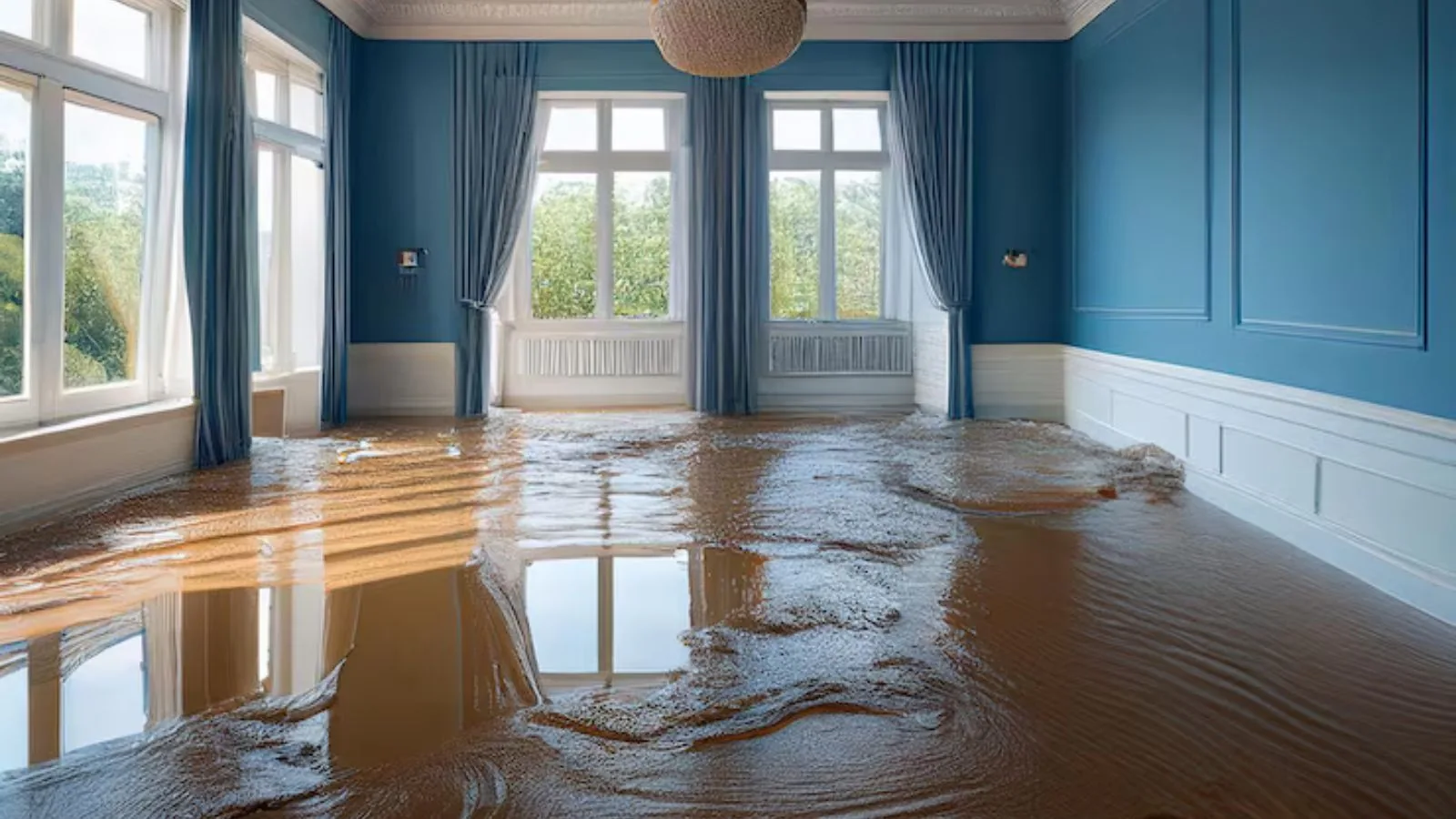
Water Damage Restoration in Waunakee, WI
Water damage restoration is the work of stopping the water, extracting what is standing, drying the structure and repairing what could not be saved. Our 24/7 dispatch line sends licensed and insured crews to Waunakee homes and businesses and to the nearby Dane County towns.
- Licensed and insured
- Scope and price explained before work starts
- 24/7 dispatch
Water on the floor right now?
Dispatch answers 24 hours a day, every day of the year. Shut off the water, stay clear of wet electrical, then call.
Every water damage service, one dispatch line
Nineteen specialty pages sit behind one number. Pick the source of your water below, or call and dispatch will route you to the right crew.
Dispatch(608) 871-6605
Pipes and plumbing
Weather and building envelope
Water removal and drying
Floors and walls
Commercial
Emergency water damage restoration in Waunakee
A burst pipe, a failed sump pump or a storm leak does not wait for business hours, and neither does the damage. Water wicks up drywall, soaks under flooring and settles into insulation and framing where you cannot see it. Starting the drying clock within the first day or two keeps more of the house intact and usually keeps the repair scope smaller.
The work runs in a set order. Crews stop or isolate the source, then pull standing water with pumps and extraction units. Air movers and LGR dehumidifiers go in next and run for several days while moisture meters track every wet surface down to a dry standard. Water damage repair comes last, once framing and subfloor are dry enough to close up.
Our crews are licensed and insured restoration professionals, and the line covers water, sewage and storm losses in one call. If you are not sure which of the nineteen services fits, describe what you see and dispatch will sort it out. A short call is usually enough to decide whether you need extraction tonight or an inspection in the morning.
What to do while you wait for a crew
These steps limit the damage and keep people safe. None of them replaces calling the 24/7 line, so make the call first and work through the list while dispatch arranges a crew.
- Stop the source. Shut off the main water valve, or the fixture valve if the leak is at a sink, toilet or appliance.
- Cut power to wet areas only if you can reach the panel while standing on dry floor. If water has reached outlets, the panel or the furnace, stay out and contact your electric utility or 911 first.
- Lift valuables, paper, shoes and small furniture off wet floors. Pull up loose rugs.
- Photograph the damage and the source before you move anything. Your insurer will want it.
- Keep people and pets out of any water that may be contaminated, including sewage and storm runoff.
- Skip the household vacuum on wet floors, and do not run a ceiling fan under a sagging ceiling.
What sets the Waunakee line apart
24/7 dispatch
The line is answered at any hour, including weekends and holidays, so a midnight leak gets a real person.
Documented damage
Photos, moisture readings and a written scope of work give your adjuster something concrete to review.
Licensed and insured
Restoration professionals who do the extraction, drying and repair work to published industry practice.
Scope and price first
You hear what the job involves and how the price is built before work begins, not after.
From the first call to a dry, repaired home
Most jobs follow the same four stages. The stage that changes the most from house to house is the second one, because moisture readings decide how long drying runs and how much has to be removed.
Call dispatch
Tell us what happened and what you can see. We tell you what to shut off and what to leave alone.
Assess
A crew checks the source, maps moisture and explains the scope and price before work starts.
Mitigate
Extraction, demolition of wet materials that cannot dry, and drying equipment placed and monitored.
Restore
Repairs to drywall, flooring and finishes once readings confirm the structure is dry.
What drives the cost of water damage repair in Waunakee
No honest number exists until someone has measured the loss, so this site does not publish prices. What it can do is explain what moves the price, so the figure you hear on the phone and the one in the written scope make sense to you.
Water category
Clean supply water costs less to handle than gray or sewage water, which brings protective gear and disposal.
Affected area
Square footage and the number of rooms decide how many air movers and dehumidifiers run, and for how long.
Materials involved
Drywall, carpet pad and insulation often come out. Hardwood and plaster may be saved with longer drying.
Drying days
Equipment time is billed by what the readings require, which is why monitoring visits matter.
Repair scope
Rebuilding walls, floors and finishes is a separate step and depends on what was removed.
Want your real number? Call the 24/7 line and describe the loss. The crew explains how the scope and price will be set before any work begins.
Water categories at a glance
Restoration crews classify water by how contaminated it is, using the categories in the ANSI/IICRC S500 standard. The category sets the safety steps and decides what can be dried and what must be discarded.
| Category | Typical source | What it means for the job |
|---|---|---|
| Category 1 | Supply line, faucet or tank overflow | Clean at the source. Most materials can be dried in place if the work starts quickly. |
| Category 2 | Washer or dishwasher discharge, sump overflow | Contaminated enough to cause illness. Porous materials such as carpet pad usually come out. |
| Category 3 | Sewage backup, rising floodwater | Grossly contaminated. Porous materials are removed and surfaces are cleaned and sanitized under safety controls. |
Clean water left alone can slip into a higher category, which is one more reason the first day counts.
Insurance and water damage claims in Wisconsin
Sudden and accidental water damage from above, such as a burst supply line or a failed ceiling sprinkler, is generally covered by a standard homeowners policy. Water that comes up from below, including groundwater and foundation seepage, is generally not, and the Wisconsin Office of the Commissioner of Insurance says sewer backup and sump pump overflow need a special endorsement. Check your policy or ask your insurer which applies.
Photograph everything before cleanup, list damaged property and keep samples of damaged materials, and do not throw out damaged items until the adjuster has seen them. We record moisture readings and the scope of work so there is a clear record of what was found. Coverage decisions belong to your insurer, and we do not promise any outcome on a claim.
Documentation for your claim
We photograph the damage, log moisture readings and write down the scope of work so your adjuster has a clear record.
Waunakee water risks: Six Mile Creek, thaw and sewer lines
Six Mile Creek runs through the village and past the Village Center, and Dane County's 2017 hazard mitigation plan counts one structure in its 100-year floodplain and 22 in the 500-year floodplain. That is a small mapped footprint. It also means a wet basement in Waunakee often has nothing to do with the creek, because a failed sump pump, a roof or window leak or a sewer backup can flood a house far from any floodplain.
To check your own address, search it on the FEMA Flood Map Service Center. The result tells you whether the parcel sits in a mapped flood zone, which decides whether a separate flood policy was ever on the table.
Madison's 1991 to 2020 climate normals show about 37 inches of precipitation and 52 inches of snow a year, with a January average of 19.4 degrees. Madison is the nearest official benchmark, so treat the numbers as a guide for Waunakee rather than a local measurement. Winters like that stress supply lines in exterior walls and attics, and the spring thaw gives sump pumps their hardest test of the year.
If water reaches your electrical panel or outlets, contact your electric utility or 911 before the restoration line. Waunakee Utilities is the village's locally owned electric and water utility.
Equipment, standards and what we will not claim
Crews work with moisture meters, thermal imaging cameras, truck-mounted and portable extraction units, air movers, LGR and desiccant dehumidifiers and HEPA air scrubbers. Ask any restoration company whether its crews follow ANSI/IICRC S500, the published standard for water damage restoration, because the standard is what separates a documented dry-out from guesswork.
Restoration is not waterproofing. If water keeps entering a basement through the foundation, drying the house treats the symptom and a foundation or drainage contractor treats the cause. We will tell you plainly when that is the case.
Water damage repair across Waunakee and Dane County
Dispatch covers the village of Waunakee, ZIP 53597, and the nearby Dane County towns of Dane, DeForest and Mazomanie, each with its own page. Dane sits to the northwest along WIS 113, DeForest to the northeast near the I-39/90/94 interchange, and Mazomanie to the west along WIS 19.
We also take calls from Cottage Grove, Marshall, Oregon and Springfield. If your address is outside the towns listed, call and dispatch will confirm whether a crew can reach you.
Neighborhoods We Serve in Waunakee
Each of these Waunakee neighborhoods has its own page with local notes on the plat, the streets we use as reference points and the water problems homeowners there call about.
Water damage restoration questions in Waunakee
Do you handle water damage emergencies at night and on weekends in Waunakee?
Yes. The dispatch line is open 24 hours a day, every day of the year, including holidays. Call, say what happened, and you get shut-off and safety steps right away while a crew is arranged.
How long does water damage restoration take?
Structural drying often runs three to five days, and moisture readings decide when it is done. Repairs afterward depend on how much drywall, flooring or framing was removed, so a small loss may finish in days and a larger one in weeks.
Does homeowners insurance pay for water damage restoration?
Sudden and accidental water damage is often covered, while gradual leaks and neglect often are not, and flood damage usually needs a separate flood policy. Check your policy or ask your insurer, because coverage depends on the cause and the wording.
Is water damage restoration the same as basement waterproofing?
No. Restoration dries and repairs what water already damaged. Waterproofing stops future seepage through the foundation, and that work belongs to a foundation or drainage contractor.
Can I rent air movers and dehumidifiers from you?
Equipment is placed and monitored by the crew as part of a restoration job. Ask dispatch if you are unsure whether a smaller drying job needs a full crew.
What should I photograph before cleanup?
Photograph the source, the standing water, every wet surface and any damaged belongings before moving them. Keep samples of damaged materials, and do not discard damaged property until your adjuster has seen it.
Can you assess a large water loss at a vacant or second property?
Yes. Call with the address and what you know. A crew inspects, documents the damage and starts mitigation, and your insurer decides coverage.
Do you serve Dane, DeForest and Mazomanie as well as Waunakee?
Yes, all three have their own pages and the same 24/7 line. Cottage Grove, Marshall, Oregon and Springfield callers are welcome too, and dispatch confirms coverage for the address.
Water spreading right now?
Call the 24/7 dispatch line for Waunakee and nearby Dane County. Describe the damage and dispatch takes it from there.
☎ Call (608) 871-6605