

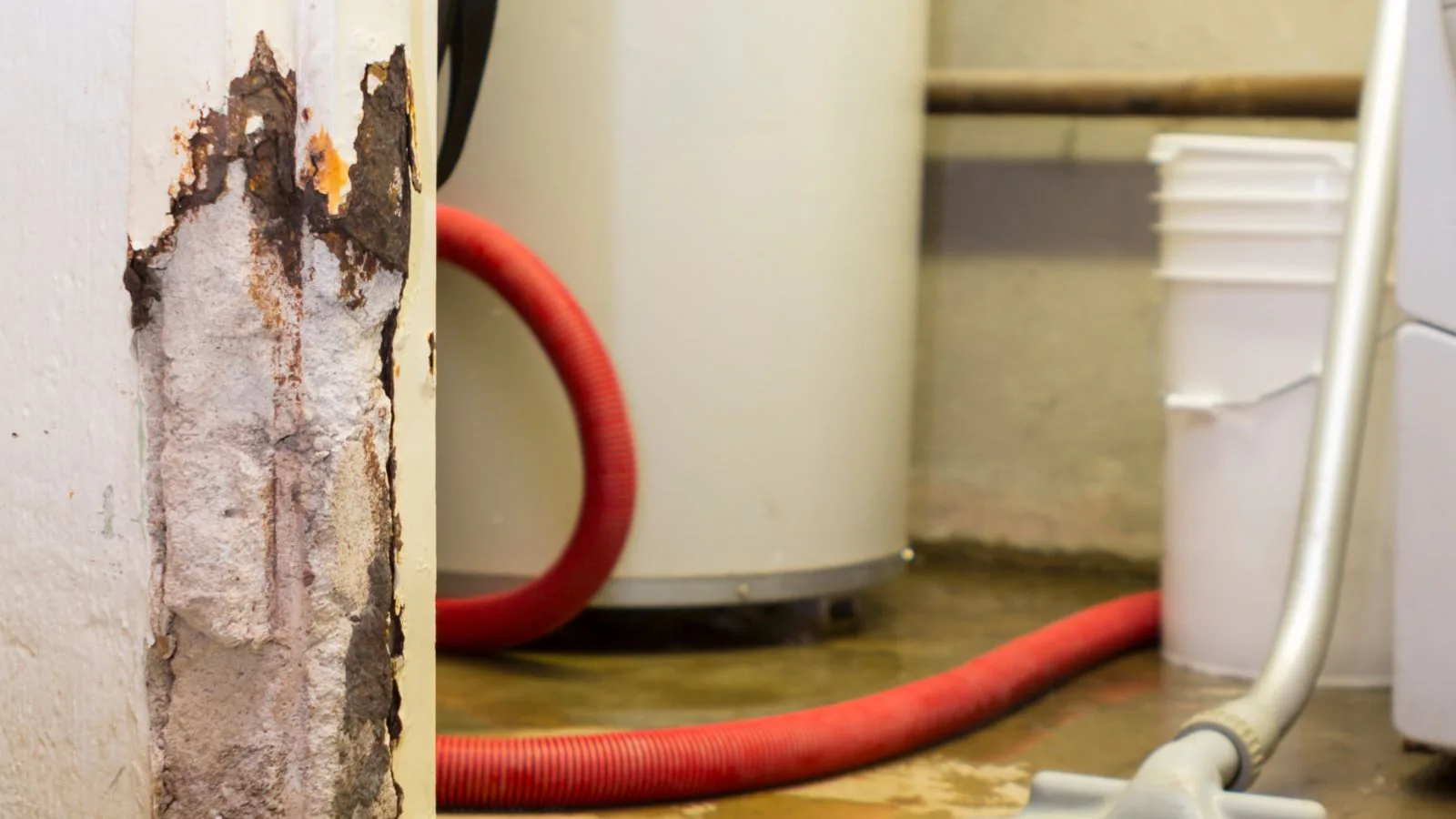
Sewage coming up through a floor drain, toilet or tub is an emergency and a health hazard. Stop using water in the house, because every flush and every load of laundry adds to the backup. Keep children and pets out of the affected area, do not wade in barefoot and call the 24/7 line before you try to clean it up yourself.
Sewage backup cleanup is the removal of contaminated water and the materials it touched, followed by sanitizing and drying. Under the ANSI/IICRC S500 standard, sewage is Category 3, which means grossly contaminated. Carpet, pad and porous drywall that were in contact are usually removed rather than cleaned.
If you have a smell or a wet floor but cannot yet tell what the water is, treat it as contaminated until a crew says otherwise. Backups often overlap with basement water damage and flood cleanup, and the drying afterward is the same structural drying used on every loss.
Sewage backup: what to do first and what to avoid
Protect people first and the building second.
- Stop running water. Do not flush, run the dishwasher or use the washing machine.
- Keep everyone out of the affected area. Wear boots and gloves if you must enter, and wash hands well afterward.
- Stay away from electrical if water is around outlets or the panel. Call your electric utility or 911 first.
- Do not mix cleaning chemicals, and do not run fans or a household vacuum on contaminated surfaces.
- Photograph the backup and note when it started, then call dispatch.
Why a drain backs up
A backup means wastewater has nowhere to go. The cause can sit inside the house, such as a clogged branch line, or outside it, such as a blocked lateral or a main line that surcharges during heavy rain. Roots, grease, wipes and collapsed pipe are the usual culprits, and a heavy storm can overload a system that normally copes.
Whether the blockage is yours or the public system's matters for cost and for your insurer. A plumber can scope the line with a camera, and the Village of Waunakee can tell you whether there is a problem in the public main. Cleanup does not wait for that answer, because contaminated water cannot sit.
Sewage in the house?
Stop using water and call the 24/7 line now.
What gets removed and what gets cleaned
Contact with Category 3 water sorts materials into two groups.
| Material | Usual outcome | Why |
|---|---|---|
| Carpet and pad | Removed and discarded | Porous, holds contamination. |
| Drywall in contact | Cut out above the water line | Wicks contaminated water upward. |
| Insulation | Removed | Cannot be cleaned effectively. |
| Concrete, tile and sealed hard surfaces | Cleaned and sanitized | Non-porous or dense enough to treat. |
| Framing | Cleaned, treated and dried | Structural and can be treated in place. |
How the cleanup runs
- The crew sets up protective barriers and wears protective equipment, then extracts the contaminated water with pumps and extraction units.
- Porous materials in contact are bagged and removed under controlled handling.
- Surfaces and framing are cleaned and treated with antimicrobial products suited to Category 3 losses.
- Air movers, dehumidifiers and air scrubbers dry and clean the air, and readings are logged until the structure is dry.
- Rebuilding follows only after the area is clean and dry.
Backups and your insurance policy
The Wisconsin Office of the Commissioner of Insurance says sewer backup and sump pump overflow are generally not covered by a standard homeowners policy and need a special endorsement. Read your policy for a sewer or water backup rider, and ask your insurer what it covers and what limit applies. Photograph everything and keep damaged samples until the adjuster has seen them.
What affects the cost of sewage backup cleanup
Category 3 jobs cost more than clean-water jobs because of the extra controls.
Area and depth
More water and more rooms mean more crew time and disposal.
Materials removed
Carpet, pad and drywall removal drive the scope.
Protective measures
Barriers, protective gear and air filtration are part of the job.
Drying and sanitizing
Equipment runs until readings reach the dry standard.
Repair scope
Rebuilding follows demolition and drying.
Call dispatch for a scope walkthrough, and ask your insurer whether you hold a backup endorsement.
Sewage backup questions
Do you handle sewage backup emergencies at night or on weekends in Waunakee?
Yes. Dispatch is open 24 hours a day and same-day response is offered when crews are available. Stop using water and call.
Is a sewage backup dangerous to clean myself?
It can be. Category 3 water may carry harmful organisms, so protective gear and proper disposal matter. A crew handles it under safety controls.
Does homeowners insurance cover sewer backup?
Generally not without a special endorsement, according to the Wisconsin insurance commissioner. Check your policy for a backup rider.
Can carpet be saved after a sewage backup?
Usually not. Carpet and pad that contacted Category 3 water are normally removed and discarded.