

Structural drying often runs three to five days, but there is no fixed number. A single wet room with clean water may finish sooner, and a basement with hardwood, plaster or cold weather may take longer. What decides the end is a set of moisture readings, not a date.
This guide explains what drying involves, what slows it and how the finish is measured. It uses the ANSI/IICRC S500 approach, which relies on monitoring and a dry standard. Your crew sets the plan from the actual conditions.
If you are living with wet materials now, call. The earlier drying starts, the shorter it tends to run.
What speeds drying up and what slows it down
Several things decide the clock.
| Factor | Effect on drying time | Why |
|---|---|---|
| Clean water caught early | Shorter | Less absorbed. |
| Dense materials such as hardwood or plaster | Longer | Moisture leaves slowly. |
| Cold weather and cold basements | Longer | Evaporation slows. |
| Wall cavities with insulation | Longer | Air cannot reach them easily. |
| Contaminated water | Longer | Removal and cleaning come first. |
| Large or multi-room losses | Longer | More material and more equipment. |
What actually happens during drying
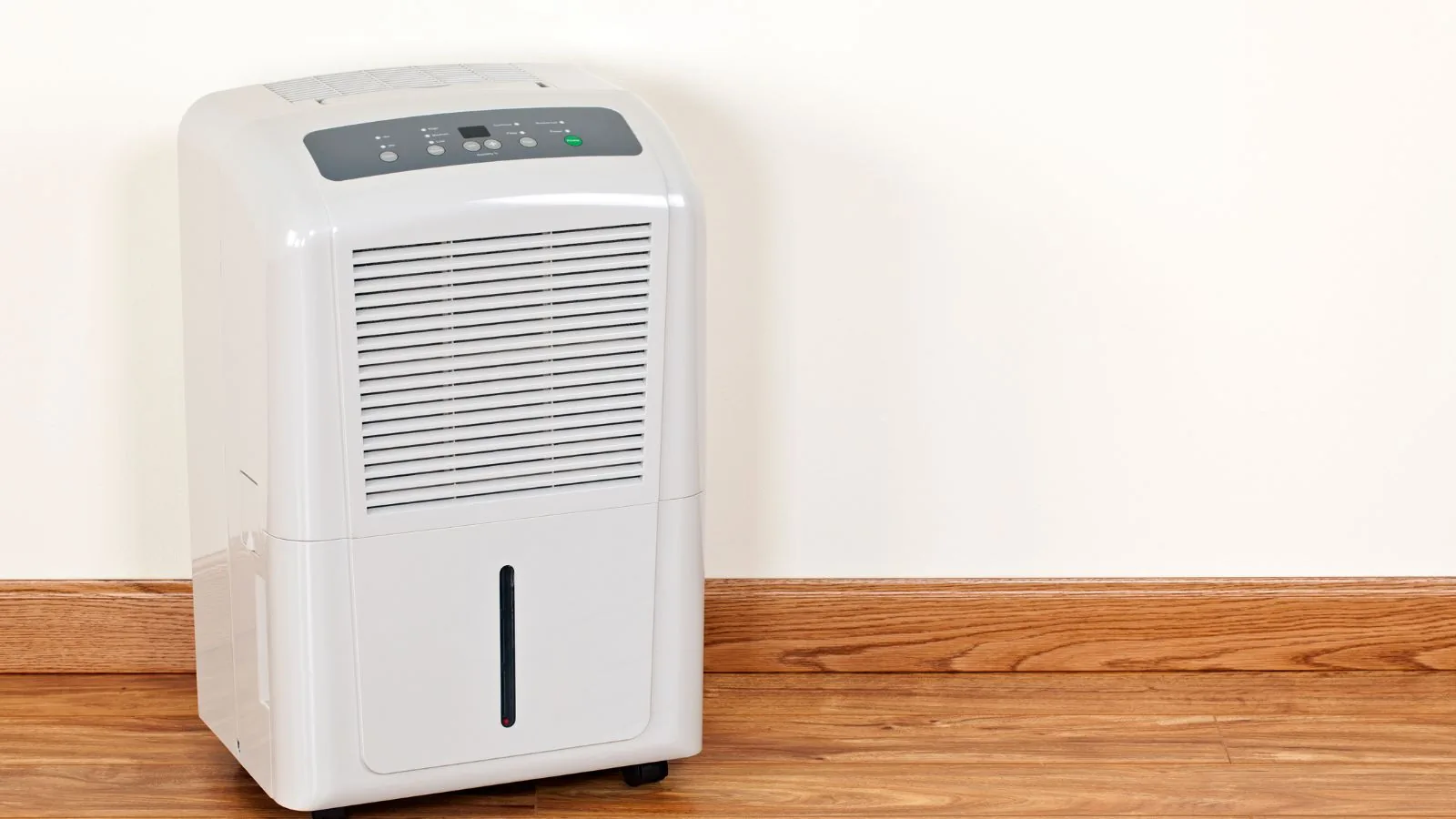
Drying is a physical process. Air movers push dry air across wet surfaces, and dehumidifiers pull moisture out of the air so more can evaporate from the materials. The crew reads the same points each visit, and moves or adds equipment if a spot lags.
Moisture is not removed evenly. Surfaces dry first, and the core of a joist or the back of drywall dries last. That is why a floor can feel dry while the subfloor under it is still wet.
Need a drying plan?
Call the 24/7 line.
A typical timeline
- Day 0: extraction, moisture mapping and equipment set up.
- Day 1 to 2: surfaces dry, wet materials that cannot dry are removed.
- Day 2 to 4: deeper materials release moisture, equipment is adjusted.
- Day 3 to 5 or later: readings reach the dry standard and equipment is removed.
- After drying: repairs begin.
Why the readings decide the finish
Stopping too soon leaves moisture in the framing, which can lead to odor and mold. Stopping late runs up cost. A dry reference reading from an unaffected part of the home gives the target, and the crew documents the readings against it.
That log also helps your insurer see why the job ran the length it did. See the structural drying page for equipment details.
Winter drying in Waunakee
Madison's January average is 19.4 degrees, and a cold basement or exterior wall cavity dries slowly in winter. Crews often use desiccant dehumidifiers, which work better in cold, damp spaces than standard units. Heat helps, and keeping the house warm helps drying.
Spring melt losses are the opposite problem. A basement that stays damp from groundwater can re-wet, so drying the structure does not fix the source. Read the basement page and ask about drainage. The same applies in Dane, DeForest and Mazomanie.
What you can do to help
Keep windows and doors closed so the equipment can work. Do not turn off or move the machines. Keep the thermostat steady. Tell the crew if you notice a smell or a new damp spot, since it may point to moisture they have not found yet.
What to expect on a typical drying visit
- The technician checks the equipment and the readings at each marked point.
- Machines may be moved or added if a spot is slow.
- You may be asked about odors, new stains or changes you noticed.
- The log is updated, and you can ask to see it.
- The next step is explained, whether more drying or removal of equipment.
Why noise and heat are normal
Dehumidifiers run warm and air movers run loud, and a dried room can feel like a sauna. That is the system working. Heat helps evaporation, and airflow carries moisture to the dehumidifiers. If the noise is a problem at night, ask about quieter equipment or moving a unit, but do not turn it off.
Cords and hoses may cross walkways, so keep children and pets clear and avoid stepping on the equipment.
What can make a job run longer
Hidden wet material is the usual cause. A wall cavity that was not opened, a floor assembly with a vapor barrier, or an insulated attic can hold moisture long after the open areas dry. The crew adds probes, opens small access holes or changes equipment placement to reach it, and the readings tell them when it is finished.
If a job runs longer than the first estimate, ask what the readings show and what changed. A good answer names a spot, a material and a number.
One more practical step
Ask the crew for the reading at each visit, so you can see the numbers fall toward the dry standard for your home.
Drying time questions
How many days does water damage take to dry?
Often three to five days of equipment, but the number depends on materials, weather and the size of the loss. Readings decide.
Why do machines run when the wall feels dry?
The surface dries first. Studs, plates and insulation inside the wall can still hold moisture.
Does cold weather lengthen drying?
Yes. Evaporation slows in cold spaces, so winter jobs in Waunakee often run longer and use desiccant units.
How do I know the job is really done?
The crew's readings match the dry reference, and you can ask for a copy of the log.