

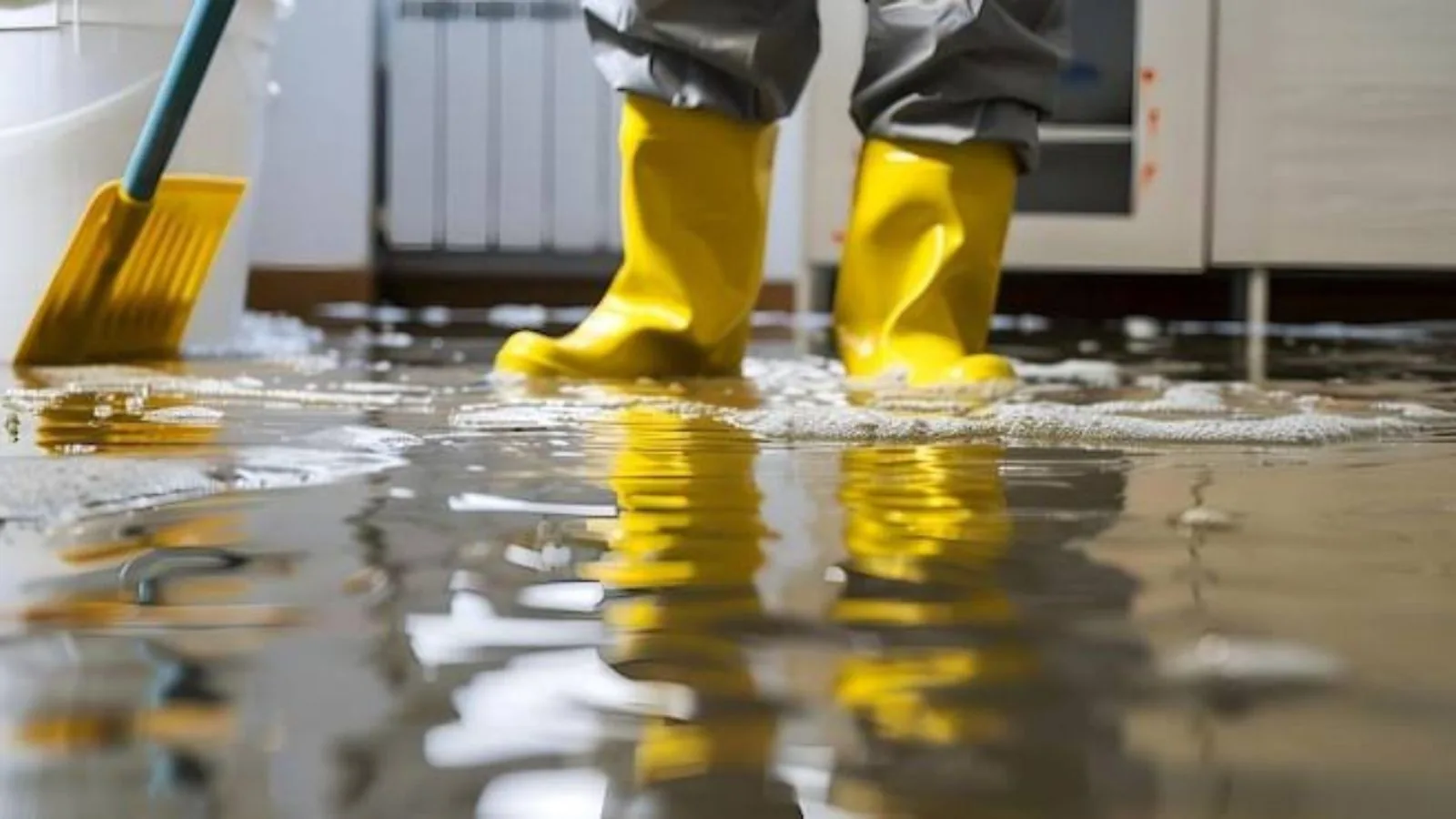
A claim goes better when the first day is organized. The Wisconsin Office of the Commissioner of Insurance advises homeowners to photograph the damage, keep samples of damaged materials and avoid discarding damaged items until the adjuster has seen them. Those few habits make the rest of the process easier for you and for the adjuster.
This guide walks through the steps in order. It is general information, and your own policy and insurer set the rules for your claim. Nothing here guarantees a result.
If water is still spreading, stop the source and call dispatch first. Documentation comes after safety.
The first-day sequence
- Make it safe. Shut off the water, stay clear of wet electrical and keep people out of contaminated water.
- Photograph and video everything before you move it, including the source, the standing water and every wet surface.
- Call your insurer or agent and report the loss. Ask what they need and whether they have a preferred process.
- Take reasonable steps to prevent further damage, such as shutting off water and arranging extraction. Keep receipts.
- Keep damaged materials or samples, and do not throw out damaged property until the adjuster has seen it.
- Write down dates, times and the names of everyone you talk to.
Why photographs and samples matter
Adjusters judge a claim from evidence, and a water loss changes fast. Carpet gets pulled, drywall gets cut and the source gets repaired. Photographs taken before cleanup show what the loss looked like at the start, and a small sample of damaged carpet or board can show what kind of water it was.
Take wide shots of each room and close shots of the damage. Include the label on a failed appliance or the broken part. Date-stamped photos are fine, and a short video walk-through is a good backup.
Need documentation for a claim?
Call the 24/7 line and ask for a moisture scope.
What to keep and what to write down
This list is the same for most claims.
| Item | Why it helps | Tip |
|---|---|---|
| Photos and video | Show the original condition | Shoot before moving anything. |
| Failed part or appliance label | Shows the cause and age | Keep it in a bag. |
| Receipts for emergency steps | Reasonable protection costs | Keep every one. |
| Inventory of damaged property | Supports the contents claim | List item, age and value. |
| Moisture readings and scope of work | Shows the extent and the plan | Ask the crew for copies. |
What a restoration crew adds
A crew measures what you cannot see. Moisture meters and thermal imaging show wet material behind walls and under floors, and a written scope lists what needs drying and what needs replacing. That record is useful because it ties the damage to a plan. See structural drying for how readings are tracked.
We do not file the claim for you, and we do not decide coverage. We give your adjuster something concrete to review.
A note for Waunakee and Dane County
Dane County's August 2018 flooding led to more than $154 million in reported damage across the county, and 1,544 residences were affected. In a regional event like that, adjusters and crews are stretched and timelines slow. Documenting early and keeping clear records helps no matter how busy the market is.
The commissioner also notes that sewer backup and sump overflow generally need an endorsement, and that flood needs a separate policy. Knowing which policy applies before you call saves time. The same steps apply in homes in Dane, DeForest and Mazomanie.
Common mistakes to avoid
The biggest mistake is discarding damaged property too early. The second is waiting to stop the damage because a claim is pending. Insurers generally expect you to take reasonable steps to protect the home, and emergency costs are part of that.
A third is signing something you do not understand. Read any document before you sign, and ask your insurer or a licensed professional if you are unsure. If the loss involves a burst pipe or storm, the pages on burst pipes and storm damage explain the work.
Questions to ask your adjuster
- What documents do you need from me, and by when?
- Does my policy require me to use certain vendors?
- How are emergency services and drying equipment treated?
- What is my deductible for this type of loss?
- How will contents and structure be handled, and in what order?
Keeping the record organized
Create one folder, physical or digital, for everything about the loss. Put photos, receipts, the claim number, the adjuster's name and your own notes in it. Add a short log of every call, with the date and what was said. It sounds fussy, and it saves hours when someone asks a question three weeks later.
If anything is unclear in writing, ask for clarification in writing. A short email that confirms what you were told is useful if memories differ later.
If your claim is denied
Ask for the reason in writing and compare it with the policy language. The Wisconsin Office of the Commissioner of Insurance handles consumer complaints and can explain your options. Keep your documentation, because it is the basis for any appeal or review.
Water damage claim questions
What should I photograph before cleanup?
The source, the standing water, every wet surface and each damaged belonging. Include wide and close shots, and keep the failed part if there is one.
Should I wait for the adjuster before starting extraction?
No. Insurers generally expect reasonable steps to prevent further damage. Photograph first, then start extraction, and keep receipts.
How is a Waunakee claim different after a regional storm?
Timelines can stretch when many homes are affected at once, as in the 2018 county flooding. Early documentation keeps your claim moving.
Do you talk to my insurance company?
We provide photos, readings and a written scope. Your adjuster decides coverage, and you stay in charge of the claim.